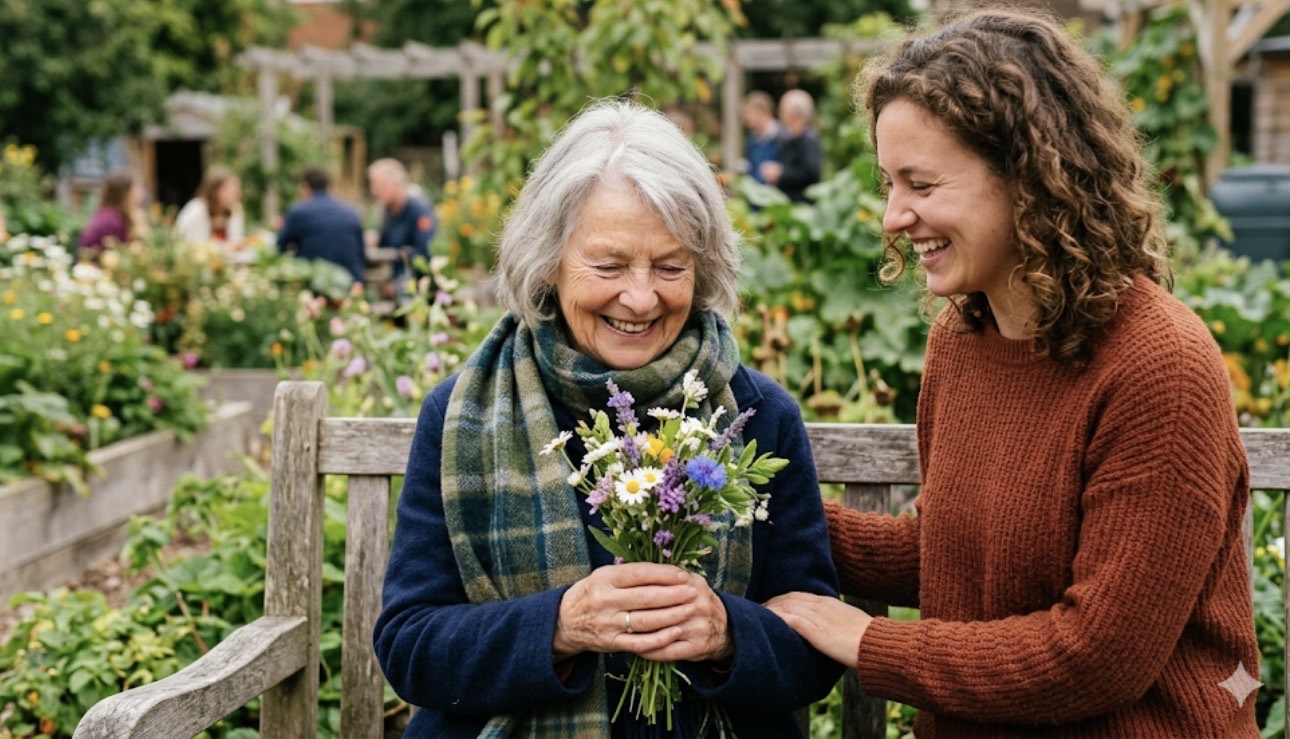

There has been a great deal of research confirming that kindness is good for us. When we help another person, the brain releases chemicals associated with well-being, including dopamine, oxytocin, and endorphins. These create what some researchers call a “helper’s high.”
I have always advocated for young people to volunteer within their communities. This is good for both them and the communities they serve. Sadly, research from the UK and the US confirms that volunteering has declined. In England, the proportion of adults volunteering at least once a month fell from 27% in 2013/14 to 17% in 2024/25. The proportion volunteering at least once a year dropped from 45% to 28%. The picture is similar in the US, although there has been some recovery in recent years. Nevertheless, volunteering levels remain well below what they once were.
We often hear about the importance of kindness from the perspective of the person offering it. However, the benefits to the person receiving that kindness should never be forgotten. There is something deeply reassuring about being asked, with genuine care, how you are doing.
Have you settled into your new job? Did you get on okay with the doctor? Are you getting over the sadness? Do you need any help?
These simple questions communicate something profoundly important: You matter. I care. You are not alone.
Tickets for new show Wake Up! You’re Here! are on sale now. This is a chance for the general public to hear my messages about living life fully despite challenges. The show will combine psychology, poetry, storytelling, and humour. Tickets are available now.
Tickets for the Iontas Theatre, Castleblayney on September 5th at 8pm are on sale here
Tickets for the Hawk’s Well, Sligo on September 10th 8pm on sale here